The first time you see your lips after lip blushing, the color may look brighter than you imagined. A week later, it may seem to have nearly vanished. Both moments are completely normal, and knowing they are coming makes the lip blush healing process far less stressful.
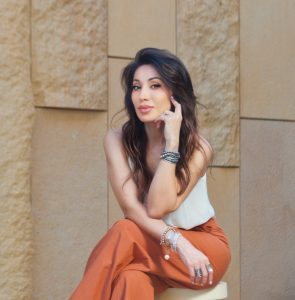
Veronyka, the founder of DermaLUX, brings more than 25 years of experience in color and permanent makeup to every lip blush she designs. She also prepares each client for what lies ahead before they leave the studio. With a clear picture of each week, you can relax and enjoy watching your new color come to life.
Key Takeaways
- Lips usually look boldest and most swollen during the first few days.
- Flaking and peeling are a normal part of healing and should never be picked.
- Color often looks faded around the second week before it gradually returns.
- Surface healing takes about one to two weeks, while the final shade can take four to eight weeks to appear.
- Gentle aftercare helps the color heal evenly, and a refinement appointment fills in any lighter spots.
What Happens After Lip Blushing?
Healing lips go through several visible changes, and each one has a purpose. Most clients move through three broad lip blush healing stages:
- Swelling and bright color in the first few days
- Dryness, flaking, and a faded look over the next week or two
- Color slowly returning and settling over the following weeks
Knowing what each phase looks like helps you recognize normal healing and avoid worrying about expected changes.
Lip Blush Healing Day by Day
Every client moves through these stages a little differently. Still, knowing what to expect after lip blush makes each one easier to recognize. The breakdown below shows what many people notice, though your own timeline may run a bit faster or slower.
The First 24 Hours
Right after your appointment, your lips may feel tender and look fuller than usual. Fresh pigment sits close to the surface, so the color will look bolder and deeper than the shade you will eventually see. Mild swelling is common, especially along the lip line.
Days Two and Three
Swelling usually eases within about 48 hours. Your lips may feel tight or dry, and the color often looks at its darkest during this stretch. Keeping your lips moisturized with the products in your aftercare kit helps them stay comfortable. Try not to judge the shade yet, because it will soften considerably over the coming weeks.
Days Four Through Seven
This is when flaking begins. Thin layers of skin start to loosen and shed, and some areas may look uneven along the way. Flaking is the most noticeable part of the lip blush peeling stages timeline, and it usually continues for several days. Let each flake come off on its own, since pulling skin away early can take pigment with it.
The Second Week
Once peeling wraps up, many clients are surprised to see their color looking pale, milky, or patchy. This stage is expected and only temporary. The pigment is still there underneath. A thin layer of new skin has formed over it and softens the color for now.
Weeks Three and Four
Gradually, the color begins to show through again as the new skin matures. Your lips should feel smooth again, and the shade begins to look more like the result you chose during your consultation. If a few small spots still look light, simply make a note of them to share at your refinement appointment.
Weeks Four Through Eight
By this point, the pigment has settled, and your final color has developed. Your refinement appointment gives your artist a chance to review the healed result and add color to any areas that did not hold as strongly. After that visit, you can learn more about how long lip blushing lasts as you plan ahead.
How Long Does Lip Blush Take to Heal?
Your lips change in two layers. The visible surface usually calms down within about one to two weeks, which is when swelling, tenderness, and flaking fade. Full lip tattoo healing, when the pigment has completely settled into its final shade, takes about four to eight weeks.
That difference explains why your lips can feel normal again long before the color is ready to judge. Waiting until the full lip blushing healing timeline has passed gives you and your artist an accurate picture of your results.
Why Healing Looks Different for Everyone
Two people can leave the same appointment and heal on slightly different schedules. Several personal factors shape how quickly the color settles and how it looks as it heals.
Your Natural Lip Tone and Skin
Deeper or cooler natural lip tones can change how pigment appears while it heals. This is one reason lip neutralization is sometimes part of the treatment, since it helps balance darker tones before adding a softer color.
Climate and Hydration
Dry desert air can pull moisture from healing lips, which may make them feel tighter or flake more. Drinking plenty of water and keeping your lips moisturized can help offset the effects of desert heat.
Daily Habits
How closely you follow your aftercare instructions plays a big role. Sun exposure, heavy sweating, and touching your lips often can all slow healing or lead to uneven color.
Caring for Your Lips During Lip Blush Recovery
Simple, consistent care goes a long way toward a smooth result. Lip blush clients receive an aftercare kit with products chosen for hot, dry weather, so you have what you need from day one.
These habits help your lips heal comfortably:
- Apply the approved balm from your aftercare kit
- Drink plenty of water throughout the day
- Let flakes fall off naturally instead of picking or peeling
- Skip lipstick and lip gloss until your artist gives the okay
- Stay out of pools, hot tubs, and saunas for now
- Limit sun exposure and pause intense workouts that cause heavy sweating
- Hold off on exfoliating products around the mouth
- Choose milder foods if spicy dishes cause irritation
What Is Normal, and When to Check In
Many changes during healing can look unexpected, even when they are part of the process. Knowing the difference between normal healing and signs that need attention helps.
Normal Signs of Healing
- Tightness, dryness, or mild tenderness
- Flaking that leaves some areas lighter than others for a while
- Color that looks too dark at first and too light later
- Slight differences between the upper and lower lip during healing
When to Contact Your Artist or Doctor
Call the clinic if you notice swelling that worsens after the first few days, increasing pain, or spreading redness. If you are prone to cold sores, talk with your physician before your appointment, since they may recommend an antiviral ahead of time. If a cold sore appears while you are healing, contact your doctor and let your artist know.
How DermaLUX Prepares You for Each Stage
An easier recovery starts with careful planning. Veronyka plans every treatment with digital color analysis and, when needed, neutralization, so the pigment settles into a shade that complements your natural tone.
Each client also leaves with clear guidance and a refinement appointment included in their service, which makes the lip blushing healing process much easier to navigate. If you are still deciding between color and volume, comparing filler with a lip tint tattoo can help you decide where to start.
Book Lip Blushing in Rancho Mirage, CA
Knowing what to expect turns healing into a simple, predictable process. With the right preparation and aftercare, you can move through each stage with confidence. As a leading provider of lip blushing in Rancho Mirage, DermaLUX guides every client from consultation to finished color. That includes help choosing your shade and a refinement appointment to review how everything settled.
Ready to start your lip blush journey? Call (760) 364-0647 today to book a consultation and find out which color is right for you.
Lip Blush Healing FAQs
Can I go to work the day after lip blushing?
Most people return to work the next day. Your lips may look a little swollen and bolder than usual at first, so some clients prefer to schedule their appointment before a weekend or a few quiet days. A light layer of your approved balm can also help keep your lips comfortable.
Is it normal if one lip looks darker than the other while healing?
Yes. The upper and lower lips often heal at slightly different speeds, so one may look darker or flake sooner. You can address any uneven areas that remain after healing at your refinement appointment.
Can I get lip filler while my lip blush is healing?
It is best to wait until your lips have fully healed before adding filler. The injections can cause swelling and pressure in the area, which can make it harder to see how your color is settling. Your artist and injector can recommend timing that works for both treatments.